List, net, cash, copay: the four prices of one pen
Why the same medicine can cost a thousand dollars, a few hundred, or fifty, depending on who is paying and how.

Who feels it
-
Patients
Adjust
Knowing which price applies to you is the first step to finding a cheaper route.
-
Prescribers
Worth knowing
Helps explain to patients why a price quote differs from the list.
-
Pharmacies
Worth knowing
Explains the gap between what you are reimbursed and what the patient sees.
-
Payers
Worth knowing
Net price after rebates is the number that drives plan decisions.
-
Sellers
Worth knowing
Shows why makers can cut cash prices without changing list prices.
1. List price
The list price is what the maker sets before any discount. For GLP-1 pens in the US it has been around $1,000 to $1,350 a month. Few people pay it, but it drives coinsurance and deductibles.
2. Net price
The net price is what the maker receives after rebates to pharmacy benefit managers and plans. It is not public. It is usually far below list, and it is what plans fight over when picking a preferred drug.
3. Cash price
The cash price is what you pay without insurance, often through the maker’s own channel. In 2025 these fell sharply, to a few hundred dollars a month.
4. Copay
The copay is what an insured person pays at the counter. It can be as low as a few dollars, or the full list price if the plan does not cover the drug.
Why it matters
- If your plan does not cover the drug, the cash price may be lower than your plan’s price.
- Cash purchases may not count toward your deductible.
- A list price cut helps people who pay a share of list; a cash price cut helps people without coverage.
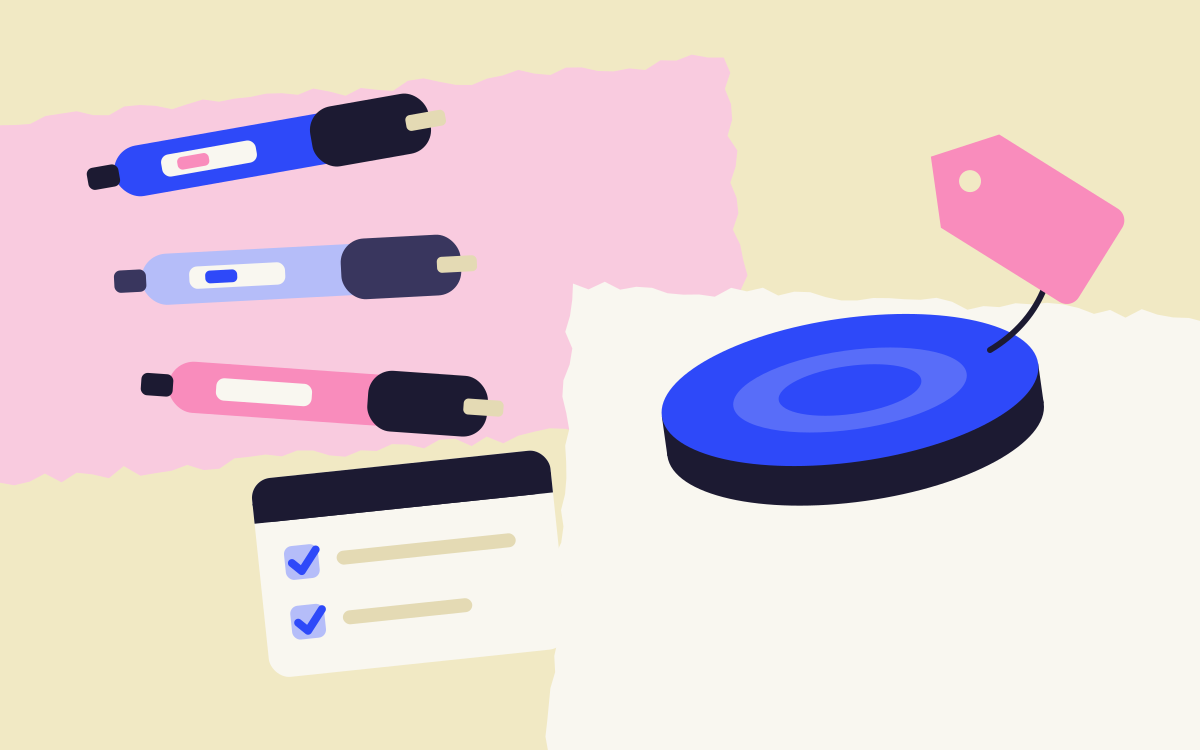
One pen, four prices. The right question at the counter is: which one am I paying?
Source Peptide Town desk explainer; figures from maker announcements cited in our price stories
Spotted an error? Tell us through the contact form; we follow the corrections policy.