Ending Medicaid GLP 1 coverage cut weight loss prescriptions 84 percent in four states
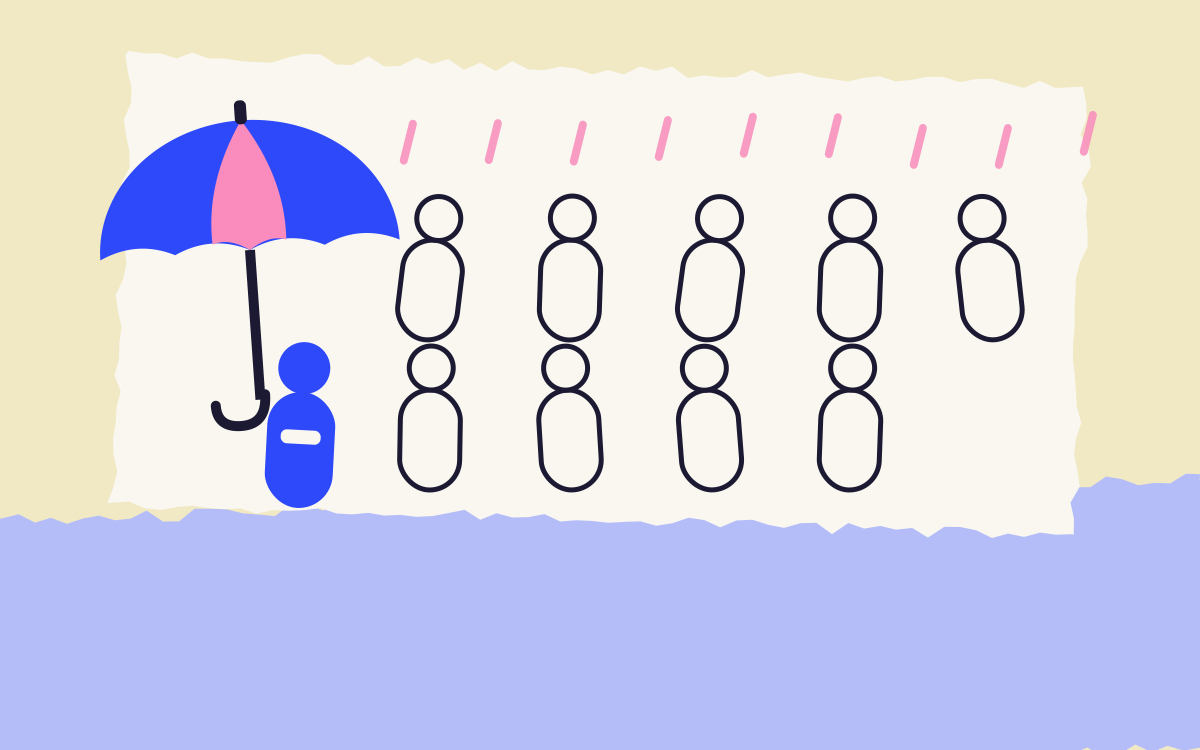
After California, New Hampshire, Pennsylvania and South Carolina stopped paying for weight loss GLP 1 drugs on January 1, 2026, Medicaid prescriptions fell about 84 percent compared with states that kept coverage, a JAMA study found.

Who feels it
-
Patients
Rethink
Most Medicaid enrollees in the four states stopped getting these drugs once coverage ended.
-
Payers
Rethink
First hard data on what a coverage cut does: no shift to diabetes products, but large losses in treatment.
-
Prescribers
Adjust
Doctors face patients who lost access mid course, with risks of weight regain and worse metabolic health.
-
Pharmacies
Worth knowing
Far fewer Medicaid fills for weight loss GLP 1 drugs in the affected states.
-
Sellers
Passes by
—
Ending Medicaid GLP 1 coverage for weight loss in four states cut prescriptions of those drugs by about 84 percent compared with states that kept paying, a study in JAMA found. California, New Hampshire, Pennsylvania and South Carolina dropped the benefit on January 1, 2026, and the fall showed up in the very first quarter.
What the JAMA study measured
Researchers at the University of Pittsburgh used Medicaid prescription records from every state and Washington, D.C., covering January 2022 to March 2026 and including both fee for service and managed care plans. They compared the four states that withdrew coverage of GLP 1 drugs approved for weight loss with ten states that kept it. The paper, published in JAMA and released on November 16, was led by Dr Bryant Shuey, an assistant professor of medicine, with Dr Timothy Anderson, an associate professor of medicine, as senior author. It looked at quarterly prescription counts per 100,000 Medicaid enrollees rather than at individual patients, which shapes what the results can and cannot show about who lost treatment.
The headline numbers are stark. Between the last quarter of 2025 and the first quarter of 2026, weight loss GLP 1 prescriptions in the four states fell from 2,914 to 421 per 100,000 enrollees. In the comparison states they slipped only from 3,006 to 2,758. Measured against that background, the drop linked to the end of Medicaid GLP 1 coverage was about 84 percent. The study also tracked the national trend over the full period, finding that weight loss GLP 1 prescriptions in Medicaid rose 5,858 percent from early 2022 to early 2026, while prescriptions for GLP 1 drugs approved for diabetes rose about 150 percent.
How deep the cuts went in each state
The fall was not the same everywhere, though it was large in all four states. Pennsylvania saw the steepest decline at 95.5 percent, followed by New Hampshire at 88 percent, California at 75.2 percent and South Carolina at 60.8 percent. The authors estimate that somewhere between 175,500 and 526,600 fewer Medicaid enrollees across the four states may have filled a prescription for these drugs. The range is wide because the data count prescriptions, not people, so the researchers could not tell exactly how many patients lost treatment. The table below sets out the state figures reported with the study, all measured over the same first quarter.
The authors estimate that somewhere between 175,500 and 526,600 fewer Medicaid enrollees across the four states may have filled a prescription for these drugs.
| State | Coverage ended | Decline in weight loss GLP 1 prescriptions |
|---|---|---|
| Pennsylvania | January 1, 2026 | 95.5 percent |
| New Hampshire | January 1, 2026 | 88 percent |
| California | January 1, 2026 | 75.2 percent |
| South Carolina | January 1, 2026 | 60.8 percent |
| Four states vs ten that kept coverage | First quarter of 2026 | About 84 percent relative decline |
The study did not find a matching rise in prescriptions of GLP 1 drugs approved for diabetes in the four states, which suggests that most people who lost weight loss coverage were not simply moved onto a diabetes product. That matters for payers, because a common worry is that cutting one benefit just shifts spending to another line of the budget. California's decision, which we covered when the state's Medicaid program stopped paying for these drugs, was framed as a cost measure. The new data show the savings came from patients going without, not from a cheaper substitute, though the study could not measure what those patients paid on their own.
What ending Medicaid GLP 1 coverage means for patients
Medicaid enrollees have fewer options than most when a benefit disappears. Cash prices for the brand name drugs have fallen in the past year, but even reduced prices are hard to meet on a low income, and the study suggests most people did not find another route. "When patients abruptly stop taking these medications, they are at risk of worsening cardiometabolic health," Shuey said. Anderson said it was not surprising that abruptly ending coverage creates major disruptions in care. Weight usually returns after these drugs are stopped, and the health gains linked to them, such as lower blood sugar and blood pressure, can fade with it.
The pattern echoes commercial insurance, where coverage for weight loss has also shrunk, as our report on Massachusetts coverage halving showed. Since 2022, 17 state Medicaid programs have covered FDA approved GLP 1 drugs for weight loss at some point, usually with prior authorization, according to the study. Each withdrawal now has a measured cost in lost treatment. Prescribers in the four states face patients who started a drug and then lost access mid course. Pharmacies see fewer fills. For other states weighing the same move, the paper offers the first hard numbers on how fast access falls once the benefit ends.
What the study cannot tell us
The authors list several limits. The study is observational, so it shows a link between ending coverage and fewer prescriptions, not proof that the policy alone caused every lost fill. It did not measure health outcomes, so it cannot say how many patients regained weight or had worse diabetes or heart risk after stopping. It also could not see prescriptions paid in cash outside Medicaid, which means some patients may have kept treatment privately. Other changes during the period, such as shifts in prior authorization rules, may also have played a part. Those gaps mean the 84 percent figure describes Medicaid fills, not the full picture of who stayed on treatment.
One more open question is whether some patients kept access through another approved use. Some GLP 1 drugs now carry approvals beyond weight loss, such as for sleep apnea, and the authors said more research is needed to see whether patients moved to coverage under those labels. The study also ends in March 2026, so it captures only the first quarter after the cuts. Later data will show whether the decline deepened, held steady or eased as patients and doctors found other paths. For now, the evidence points one way: when a state stops paying for these medicines, most of its Medicaid patients stop getting them.
Conclusion
Ending Medicaid GLP 1 coverage in four states cut weight loss prescriptions by about 84 percent within one quarter, with no sign of a shift to diabetes products. The study cannot show health effects or private fills, but it gives states the clearest measure yet of what a coverage cut does to access.
Source JAMA study by University of Pittsburgh researchers, released November 16, 2026, as reported by Medical Xpress
Sources
Spotted an error? Tell us through the contact form; we follow the corrections policy.