Teen GLP 1 access lags as 9 in 10 eligible teens get no drug or surgery
Of more than 1.4 million US teens eligible for bariatric surgery, 90.4% had neither surgery nor a GLP 1 prescription by late 2025. Privately insured teens were prescribed the drugs 2.4 times as often as uninsured or self pay teens.
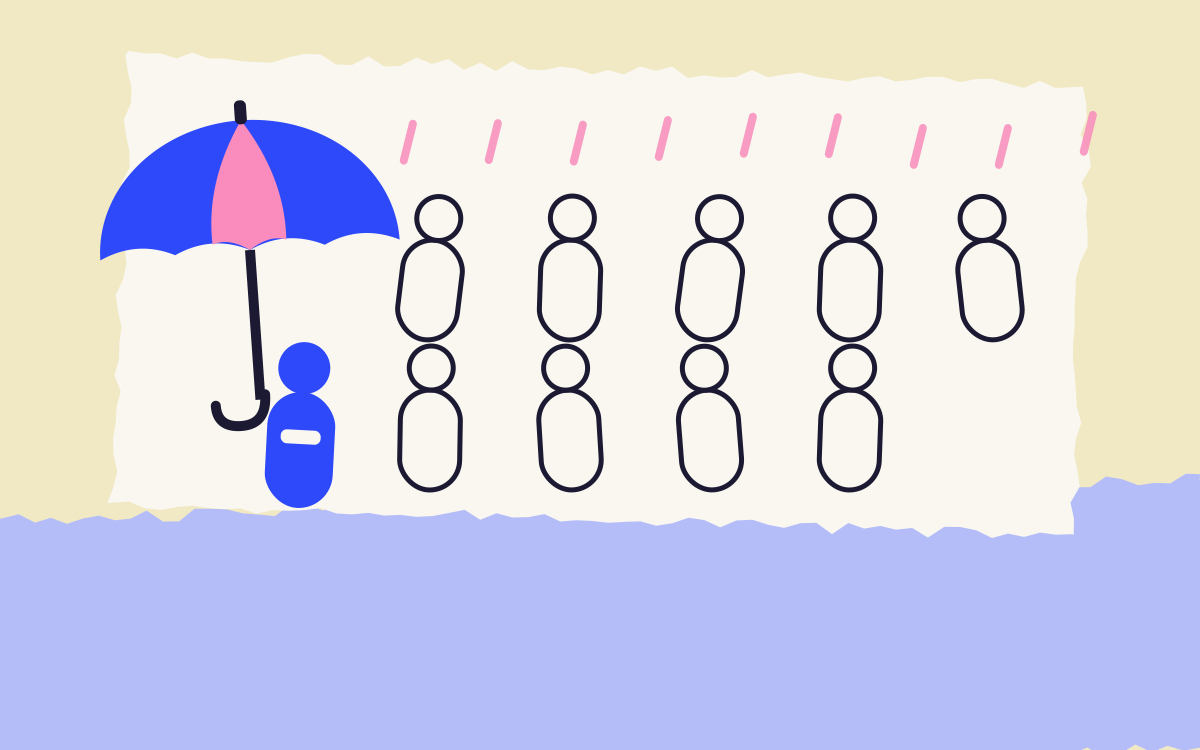
Who feels it
-
Patients
Rethink
Most eligible teens got neither treatment, and uninsured or self pay teens were prescribed GLP 1 drugs far less often than privately insured teens.
-
Payers
Rethink
Private plans saw 2.4 times the prescribing of uninsured or self pay teens, putting insurer rules at the centre of the access gap.
-
Prescribers
Adjust
Under 1% of eligible teens had surgery and 4.6% got a GLP 1 prescription from 2017 to 2025; the study does not say why.
-
Pharmacies
Worth knowing
The data count prescriptions written, not fills, so pharmacy uptake by teens remains unknown.
-
Sellers
Passes by
—
Nine in ten American teens who qualify for weight loss surgery had received neither the operation nor a GLP 1 prescription by the end of 2025, according to a new research letter in JAMA Pediatrics. The result puts a hard number on the teen GLP 1 access gap, and it shows that privately insured teens were far more likely to get the drugs than teens paying on their own. Researchers at Lurie Children's Hospital of Chicago studied health records of more than 1.4 million eligible adolescents. The study does not say why most went untreated.
What the JAMA Pediatrics study measured
The team, led by first author John B. Rode, a resident physician at Lurie Children's, and senior author Justin Ryder, reviewed electronic health records covering the years 2017 to 2025. Every teen in the sample qualified for weight loss surgery under published guideline rules at some point in that window. The short research letter appeared online on October 5, 2026, and the hospital's summary of it was published by News-Medical on November 9. The authors tracked two numbers each quarter: how often eligible teens had surgery, and how often they were prescribed a GLP 1 receptor agonist, the drug class that includes semaglutide and liraglutide. Across the whole period, fewer than 1 percent of the 1.4 million teens had surgery and 4.6 percent were prescribed a GLP 1 drug at least once, the paper reports.
In the last quarter of 2025, 90.4 percent of the group, more than 1.29 million qualifying teens, had gotten neither surgery nor a GLP 1 prescription. Dr. Rode put it this way in the hospital release: "Our findings suggest that even though we've developed safe and effective treatments for obesity in adolescents, the data indicate that those who qualify likely don't have access to these treatments." For readers who follow money and coverage, that is the core fact of this JAMA Pediatrics study. An approved drug and an established operation both exist for this age group, and yet almost no eligible teen in these records received either one. The National Cancer Institute funded the work. The table below lists the main figures as the hospital summary reported them, with the period each figure covers.
| Measure | Reported figure | Period |
|---|---|---|
| Eligible teens in the records | More than 1.4 million | 2017 to 2025 |
| Had bariatric surgery | Under 1% | Whole study period |
| Got at least one GLP 1 prescription | 4.6% | Whole study period |
| Received neither treatment | 90.4%, over 1.29 million teens | Fourth quarter of 2025 |
| GLP 1 prescriptions per 100,000 eligible teens | 301 rising to 10,676 | Early 2017 to end of 2025 |
| Surgery rate per 100,000 eligible teens | Peak of 189 | 2022 |
| Change in surgery rate after the peak | About 29% lower | Through end of 2025 |
| Private insurance versus uninsured or self pay | 2.4 times the prescribing rate | Late 2025 |
Bariatric surgery for teens fell as prescriptions rose
The two treatments moved in opposite directions. Use of bariatric surgery for teens in the records climbed steadily from 2017 and peaked in 2022 at 189 operations per 100,000 eligible teens. It then fell by about 29 percent through the end of 2025. Dr. Rode said the drop came around the time the FDA cleared semaglutide for teens 12 and up with obesity, which happened in late 2022. Over the same years, GLP 1 prescribing rose from 301 to 10,676 prescriptions per 100,000 eligible teens, roughly a 35 fold increase, and teens with the heaviest obesity had the highest prescribing rates. Timing alone does not prove that drugs replaced operations, and the authors call for more research on how the two treatments fit together.
In the last quarter of 2025, 90.4 percent of the group, more than 1.29 million qualifying teens, had gotten neither surgery nor a GLP 1 prescription.
In access terms, the growth is real but starts from a very low base. Even at the end of 2025, the rate works out to about 11 prescriptions for every 100 eligible teens, and a prescription is not the same as a filled pen or months of treatment. The public summaries do not say how many teens took a prescription to a pharmacy, how long they stayed on the drug, or whether a plan or the family paid at the counter. Those details decide whether teen GLP 1 access is real or only on paper. The summaries also do not separate semaglutide for adolescents from liraglutide, so the share of each drug among these prescriptions is unknown.
Private plans and the GLP 1 insurance coverage gap
The clearest access signal in the paper is about who pays. By late 2025, privately insured teens were prescribed GLP 1 drugs at 2.4 times the rate of uninsured or self pay teens, the researchers found, and at a modestly higher rate than publicly insured teens. Surgery rates, by contrast, were similar across all insurance groups. That contrast suggests the payment route matters more for the drugs than for the operation, though the study cannot show the cause. Dr. Rode warned in the release that newer obesity drugs may be making existing inequities in care worse. The letter does not break the figures down by state, plan, employer or drug, so it cannot show which payers covered teen prescriptions and which refused.
The finding lands while GLP 1 insurance coverage for weight loss is shrinking in parts of the US market. This site has reported on employers dropping weight loss cover and pushing more of the cost onto workers and their families. Public plans have also pulled back in places. California's Medicaid program cut coverage of GLP 1 drugs used for weight loss in its 2025 to 26 budget while keeping them for diabetes. The JAMA Pediatrics letter does not link its results to any of these decisions, and its data end in 2025. Still, a teen whose family pays cash or relies on a plan that excludes weight loss drugs faces exactly the gap the researchers describe.
What the numbers do not tell readers
Several limits matter for anyone using these figures. The full research letter sits behind a paywall, and the public summaries do not name the records network, list the exact eligibility rules or explain how the study group changed over time. The headline figures also do not add up in an obvious way: fewer than 1 percent had surgery and 4.6 percent got a GLP 1 prescription over the whole period, yet 9.6 percent were not counted in the neither group by late 2025. Different denominators may explain this, but we could not confirm it from the summaries. The prescription rates appear to count prescriptions, not individual teens. And as an observational records study, it shows patterns in adolescent obesity treatment, not their causes.
For families and prescribers, the practical points are narrow and this is not medical advice. Semaglutide has FDA approval for obesity in teens 12 and older, but whether a plan pays depends on that plan's own rules, and the study gives no prices or coverage terms. Teens who are shut out of coverage may meet online offers for compounded or unapproved copies. Those products are not the same as approved medicines, and the FDA has sent warning letters over GLP 1 ads that implied otherwise. Dr. Rode said further research must explain why so many eligible teens go without treatment. Until that work exists, insurance status is the clearest measured factor in teen GLP 1 access.
Conclusion
This is a records study, not a trial, and it cannot say why nine in ten eligible teens went without surgery or a GLP 1 drug. It does show that teen GLP 1 access tracks insurance status, with privately insured teens prescribed far more often than uninsured or self pay teens. Prescriptions are not fills, and the full methods are not yet public. The next useful data would show who filled prescriptions, who stayed on treatment and which plans paid.
Source Rode JB et al, Metabolic and Bariatric Surgery and GLP-1 Receptor Agonist Use Among Adolescents, JAMA Pediatrics research letter, published online Oct 5 2026; Lurie Children's summary via News-Medical, Nov 9 2026
Sources
Spotted an error? Tell us through the contact form; we follow the corrections policy.